Praiseworthy Wildlife Solutions LLC provides professional bat removal and exclusion for homes, businesses and other structures throughout South and Central Arkansas. We inspect structures for potential bat entry points, develop an appropriate exclusion approach, and seal appropriate openings to help prevent re-entry.
Bat removal and exclusion requires the right approach and timing. Most bat species in Arkansas are protected by state and federal law, meaning trapping or harming them is not the correct method. Exclusion — allowing bats to leave while preventing re-entry — is the appropriate technique. We handle this in accordance with applicable wildlife requirements.
Signs You Have a Bat Problem
- Bats entering or leaving the structure at dusk, particularly around rooflines, vents, soffits or fascia
- Droppings accumulating below roosting areas or near entry points
- Dark staining or residue near gaps in the roofline, soffits, fascia or trim
- Scratching, squeaking or movement sounds in attic or roof areas, particularly at dusk or dawn
- A strong ammonia odor from attic or wall spaces
- Bats entering occupied living areas of the structure
Professional Bat Exclusion
Bat exclusion is different from simply removing an individual bat. Depending on the situation, work may involve identifying active entry points where bats are accessing the structure, appropriate exclusion methods that allow bats to leave while preventing re-entry, and sealing secondary openings to help prevent bats from finding alternative access points.
The appropriate exclusion approach depends on the structure, the extent of the problem, and timing considerations. We evaluate the situation and explain what is involved before any work begins.
What’s Included
- Inspection — We identify active entry points and assess the colony.
- Exclusion Installation — One-way devices installed at all active points.
- Permanent Sealing — Once the bats are out, we close everything up for good.
- Guano Assessment — We assess the extent of contamination so you know what cleanup may be needed.
Finding & Sealing Entry Points
Bats typically access structures through small gaps in the building envelope. Common areas include soffits, fascia boards, roofline gaps, vents and vent covers, chimney areas, trim gaps, and construction gaps where materials meet. Part of the inspection involves identifying both active entry points and secondary gaps that could allow re-entry after exclusion work is completed.
Residential Bat Exclusion
Praiseworthy Wildlife Solutions works on homes where bats have accessed attics, roof systems, chimneys, wall voids and other structural areas. Residential bat exclusion typically involves a thorough inspection of the home’s exterior, identification of entry points, appropriate exclusion work, and sealing to help prevent re-entry.
Commercial Bat Exclusion
Praiseworthy also provides bat inspection and exclusion for commercial and other non-residential buildings. Larger structures may have multiple potential entry points and can require a building-wide approach to identify all access areas and address them appropriately. Contact us to discuss the specifics of your commercial property.
Bat Exclusion Timing
Bat exclusion must take into account the bats present, time of year, site conditions and applicable wildlife requirements. Young bats that cannot yet fly can make exclusion inappropriate during certain periods. Praiseworthy Wildlife Solutions evaluates the situation before determining the appropriate exclusion approach.
Precision Work from a Marine Veteran
Bat exclusion requires patience, precision, and close attention to detail — qualities Jeremy Bass developed during 4 years of active duty in the Marine Corps and additional service in the Army National Guard. As the owner and operator of Praiseworthy Wildlife Solutions, he handles bat exclusion jobs personally, following the regulations, doing the work correctly the first time, and not cutting corners on the sealing. You won’t get a subcontractor. You’ll get Jeremy.
We serve Sheridan, Leola, White Hall, Pine Bluff, Malvern, Camden, Hot Springs, Texarkana, Lake Village, Little Rock, and surrounding communities across South and Central Arkansas.
Bat Removal by City
We serve the full South and Central Arkansas region. Find location-specific information for your area:
Real Jobs. Real Results.
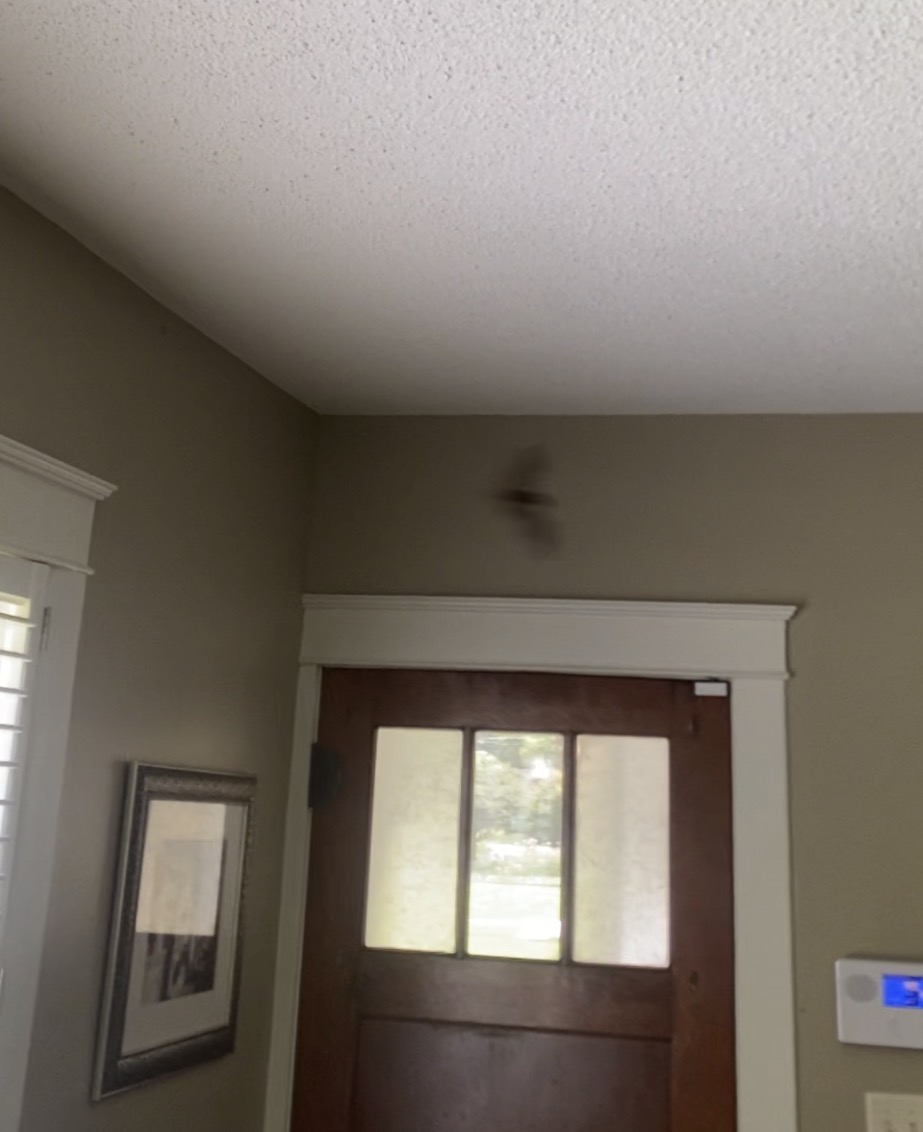
Photos from actual jobs we've completed right here in South and Central Arkansas.
Frequently Asked Questions
Is bat removal legal in Arkansas?
Yes — but only through exclusion, not trapping or killing. Most bat species are protected by state and federal law. One-way exclusion devices allow bats to leave but not re-enter. We are fully licensed and follow all AGFC regulations.
Can bats be excluded at any time of year?
Not always. Young bats that cannot yet fly can make exclusion inappropriate during certain periods. The timing of bat exclusion work depends on the bats present, time of year, site conditions and applicable wildlife requirements. Praiseworthy Wildlife Solutions evaluates each situation before determining when to proceed.
How much does bat removal cost?
We charge a $200 inspection fee. That covers travel, a full property assessment, and a written estimate. No hidden costs, no pressure to sign anything on the spot.
How long does bat exclusion take?
Typically 7–14 days from installation to final sealing — long enough to confirm the colony has vacated before we permanently close the entry points.
Do you guarantee your exclusion work?
Yes. We stand behind our sealing. If something isn’t right after we close up, we come back.
Do you remove bats from attics?
Yes. Attic bat exclusion is one of the most common calls we receive. The approach involves inspecting the attic and the exterior of the structure, identifying how bats are getting in, and carrying out appropriate exclusion and sealing work.
What is bat exclusion?
Bat exclusion is the process of allowing bats to leave a structure while preventing them from re-entering. This is done using one-way exclusion devices installed at active entry points. After the bats have vacated, entry points are sealed. Exclusion is the appropriate method for removing bat colonies from structures — trapping or killing bats is not.
How do bats get into a house?
Bats can enter through very small openings — gaps as small as 3/8 of an inch in some cases. Common access points include gaps at the roofline, soffits, fascia boards, vent covers, chimney areas, and where different building materials meet. Older structures often have more potential entry points than newer construction.
Do you provide commercial bat exclusion?
Yes. We are available to inspect and address bat issues in commercial and non-residential structures. Larger buildings may require a building-wide assessment to identify all potential entry points. Contact us to discuss your commercial property.
What areas of Arkansas do you serve?
We serve South and Central Arkansas, including Sheridan, Leola, White Hall, Pine Bluff, Malvern, Camden, Hot Springs, Texarkana, Lake Village, Little Rock, and surrounding communities. Pine Bluff | Camden | Hot Springs
Can I just seal the gaps myself?Sealing bats inside is illegal and creates a serious odor problem when they die in your walls. The correct method is one-way exclusion that lets them leave but blocks re-entry. We handle it the right way.
Inspection fee: $200. That covers our time, travel, and a thorough property assessment. After the inspection, you get a clear written estimate before any work begins.
No scare tactics. No upsells you don't need. Just honest wildlife control.
Request an Inspection
Fill out the form below and we’ll get back to you promptly. Prefer to call? Reach us at 501-830-1060.
Ready to Get the Problem Solved?
Call or text 501-830-1060 | Schedule an Inspection
Veteran-owned and operated · 507 Main Street, Leola, AR 72084 · Serving South and Central Arkansas — Sheridan, Leola, White Hall, Pine Bluff, Malvern, Camden, Hot Springs, Texarkana, Lake Village, Little Rock, and surrounding communities.